



£55.00 per person.
We’ve decided for the 2026-2027 season to keep the cost the same as the RFU price was, to allow you and your club to keep to any planned budgets you have.

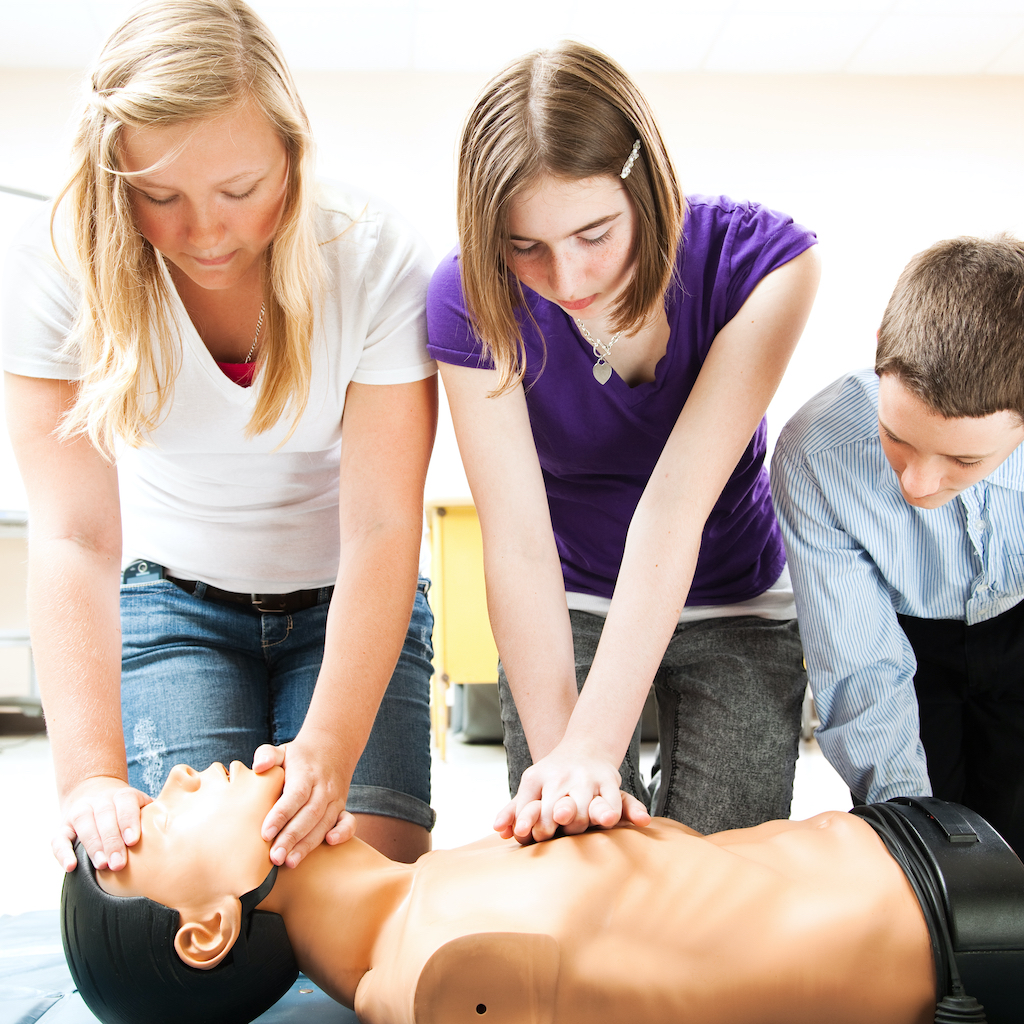
Max 12 attendees to 1 tutor, we are happy to run up to 24 attendees with 2 tutors, as long as your club or venue has the space.
Due to the practical nature of the course the miniumum numbers required to run are 6.

We offer a voucher system so clubs or county can block-purchase places or a full courses in advance. It’s straightforward — just let us know your requirements and we’ll handle the rest.

The minnmum age to be able to attend is 14 years old.
NOTE
For RFU first aider registration on GMS, they must be 18 years old or above.

The course is worth 8 UCAS points nationally, making it an excellent addition for students applying to university, college, or further education. So a great way to help support your academy and colts squads.
This first aid course can count towards the Duke of Edinburgh’s Award (DofE), but it depends on how it is framed and which section you want it to contribute to.
Skills Section: This first aid course is most often used here. Learning and practicing first aid is considered a practical skill, especially if the course is run over several sessions or includes ongoing practice and development rather than just a one-off certificate.
Volunteering Section: If, after your training, you regularly volunteer to use your first aid skills (e.g., with St John Ambulance, at sports clubs, or community events), that can count as your Volunteering activity.
Expedition Section: At least one person per DofE expedition team must hold an appropriate first aid qualification. So while the training itself doesn’t tick off the Expedition requirement, it’s very useful and sometimes required to participate safely.
The key rule for DofE is that activities should be sustained over a set period (usually 3–6 months depending on the level: Bronze, Silver, or Gold). This first aid course alone would not usually meet that requirement, but if you combine it with ongoing practice, volunteering, or extended learning, it will.
 Yes, all of the first aid courses we deliver are fully accredited by Highfield Qualifications, a nationally recognised awarding body, and recognised by the RFU and all workplace environments.
There are 2 assessments, practical on-course assessments undertaken by the tutor, and a multie choice paper, with a 70% pasasmark, 11/15 correct answers.